
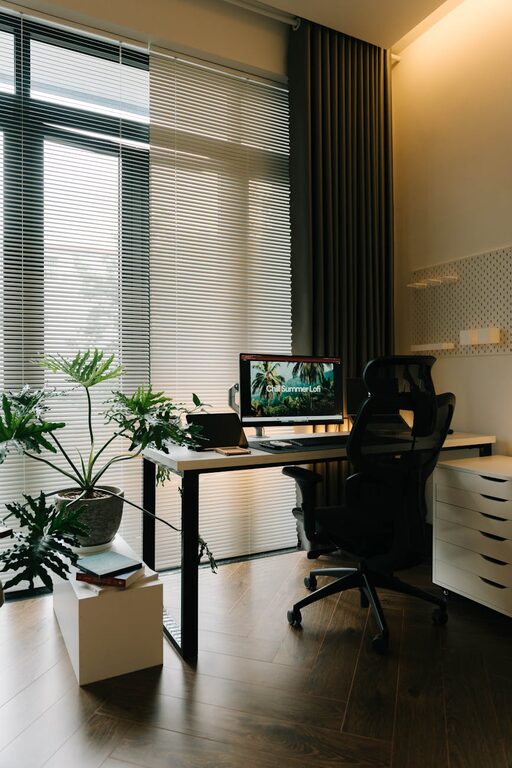
Creating a relaxing home office environment is essential for maintaining focus and wellbeing, especially when working remotely. A comfortable and calming workspace helps reduce stress, increase productivity, and make your workday more enjoyable. Whether you have a dedicated room or a small corner, there are many ways to transform your home office into a relaxing oasis. Here are some helpful tips to guide you.
1. Choose the Right Location
The location of your home office can have a big impact on your comfort and concentration.
– Natural Light: Try to set up your office near a window to enjoy natural daylight. Exposure to natural light improves mood and reduces eye strain.
– Quiet Spot: Find a quiet area away from household noise and distractions.
– Space: Ensure there is enough room for your desk, chair, and essential equipment without feeling cramped.
2. Invest in Comfortable Furniture
Comfortable furniture is the cornerstone of a relaxing workspace.
– Ergonomic Chair: Choose an adjustable chair that supports your lower back and promotes good posture.
– Spacious Desk: Select a desk with enough surface area to accommodate your computer, paperwork, and accessories.
– Footrest and Accessories: Consider a footrest or wrist supports to reduce strain during long working hours.
3. Use Calming Colours and Decor
Your surroundings influence your mood and energy.
– Soothing Colours: Opt for soft, neutral tones such as pale blues, greens, or greys to create a peaceful atmosphere.
– Personal Touches: Add plants, artwork, or photos that make the space inviting but avoid clutter.
– Minimal Decor: Keep decorations simple to prevent distractions and maintain a tidy appearance.
4. Control Lighting
Good lighting helps reduce eye fatigue and contributes to your comfort.
– Layered Lighting: Use a combination of ambient light, task lighting, and natural light.
– Adjustable Desk Lamp: A desk lamp with adjustable brightness lets you control lighting for specific tasks.
– Avoid Glare: Position screens and light sources to minimise glare and reflections.
5. Manage Noise Levels
Noise control can improve concentration and reduce stress.
– Noise-Cancelling Headphones: These can help block out household or environmental sounds.
– Soft Furnishings: Rugs, cushions, and curtains can absorb sound and reduce echo.
– White Noise: Consider using a white noise machine or calming background music if complete silence isn’t possible.
6. Keep Your Workspace Organised
An organised desk supports a clear mind and smooth workflow.
– Storage Solutions: Use shelves, drawers, or filing cabinets to store documents and supplies out of sight.
– Daily Tidying: Make it a habit to clear your desk at the end of each day.
– Declutter: Remove unnecessary items that do not contribute to your work or relaxation.
7. Incorporate Nature
Bringing elements of nature indoors can have a calming effect.
– Houseplants: Plants improve air quality and add a refreshing touch.
– Natural Materials: Use wooden furniture or accessories to create a warm, organic feel.
– Views of Nature: If possible, arrange your desk so you can see a garden or trees.
8. Maintain Good Air Quality
Fresh air helps you stay alert and comfortable.
– Ventilation: Open windows regularly for fresh air circulation.
– Air Purifiers: Consider using an air purifier if ventilation is limited.
– Humidity: Use a humidifier during dry seasons to maintain comfortable humidity levels.
9. Set Boundaries and Routine
Creating boundaries is key to balancing work and relaxation.
– Work Hours: Set specific work hours to avoid overworking.
– Breaks: Take regular short breaks to stretch or relax your eyes.
– Clear End-of-Day Ritual: Signal the end of the workday by tidying your desk or shutting down your computer.
10. Use Aromatherapy
Subtle scents can promote relaxation and concentration.
– Essential Oils: Lavender, eucalyptus, or peppermint in a diffuser can create a calming atmosphere.
– Scented Candles: Choose mild fragrances to avoid overwhelm.
– Avoid Overpowering Smells: Keep aromas gentle to maintain comfort.
—
By thoughtfully designing your home office with comfort, organisation, and calming elements in mind, you can create a space that supports both productivity and relaxation. Remember, small changes often make a big difference in your daily work experience. Happy working!