
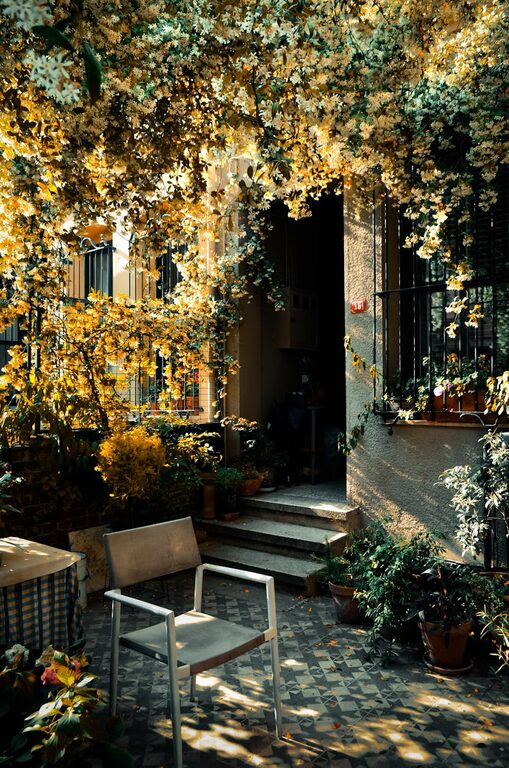
Creating a relaxing garden space at home is a wonderful way to enjoy fresh air, connect with nature, and find a peaceful retreat after a busy day. Whether you have a large garden or a small balcony, with a few thoughtful touches you can transform your outdoor area into a calming haven. This guide offers practical advice to help you design and cultivate your ideal relaxation spot.
Assess Your Space and Define Your Purpose
Before diving into planting or purchasing garden furniture, take some time to evaluate the space you have available. Consider the following:
– Size and shape: Is your garden large or compact? Does it have sunny or shady spots?
– Current features: Are there existing trees, plants, paths or structures?
– Your goals: Do you want a quiet reading nook, a space for yoga, or a shaded spot for afternoon tea?
By clarifying the purpose of your garden space, you can make choices that best support your relaxation goals.
Choose Comfortable and Stylish Seating
A relaxing garden requires a comfortable place to sit. Consider these options:
– Benches and chairs: Look for weather-resistant materials like teak, metal, or rattan.
– Hammocks or swings: These provide a gentle rocking motion that promotes calm.
– Cushions and throws: Add soft textiles for extra comfort and colour.
Position your seating to take advantage of the best views or sunlight. If privacy is important, arrange furniture with screens or plants as natural dividers.
Incorporate Calming Colours and Plants
Colour can strongly influence mood, so choose plants and garden decor in soothing shades:
– Greens and blues: These colours have a calming effect and blend well with natural surroundings.
– Lavender, white and soft pink: These flowers often evoke peace and relaxation.
When selecting plants:
– Include a mix of evergreen and seasonal plants to maintain greenery throughout the year.
– Add herbs like lavender, mint, or rosemary for calming scents.
– Choose low-maintenance varieties if you prefer a garden that’s easy to care for.
Create Quiet Zones with Natural Elements
Noise can disrupt relaxation, so consider how to minimise sound:
– Use water features such as small fountains or birdbaths; the gentle sound of running water promotes tranquillity.
– Plant hedges or tall shrubs to act as natural sound barriers.
– Add garden ornaments or gravel paths that absorb noise rather than reflect it.
These natural elements can help create a sanctuary away from everyday noise.
Pay Attention to Lighting
Soft lighting extends relaxation into the evening and creates ambience:
– Use solar-powered lanterns or fairy lights to illuminate paths and seating areas.
– Place candles or LED tealights in safe holders for a warm, flickering glow.
– Consider installing low-level garden lights to highlight plants or sculptures.
Avoid harsh or bright spotlights which can disturb the peaceful mood.
Add Personal Touches
Make your garden feel like your own special retreat by adding elements that reflect your personality:
– Display favourite garden ornaments, wind chimes, or sculptures.
– Include a small bookshelf or basket for outdoor reading materials.
– Hang lightweight fabrics or garden curtains for a cosy feel.
Personal items help deepen your connection to the space.
Maintain Your Garden Regularly
A relaxing garden benefits from regular care:
– Prune plants to keep them healthy and neat.
– Remove weeds to prevent a cluttered appearance.
– Water plants appropriately, especially during dry spells.
Keeping your outdoor area tidy and vibrant reinforces its restorative qualities.
Consider Sustainable Practices
Creating a relaxing garden can also be environmentally friendly:
– Use rainwater collection systems to reduce water waste.
– Plant native species that support local wildlife.
– Compost garden waste to enrich soil naturally.
Sustainable gardening promotes balance between your relaxation and care for the planet.
Final Thoughts
Designing a relaxing garden space at home is an enjoyable project that offers lasting benefits. By thoughtfully selecting seating, plants, lighting, and personal touches, you can build a peaceful retreat to unwind, reflect and enjoy nature’s beauty. Remember, your garden should be a place that feels welcoming and comfortable to you. Take your time, experiment, and watch your outdoor sanctuary grow.
With these tips, your garden will become a charming, stress-free haven perfect for relaxation all year round.