
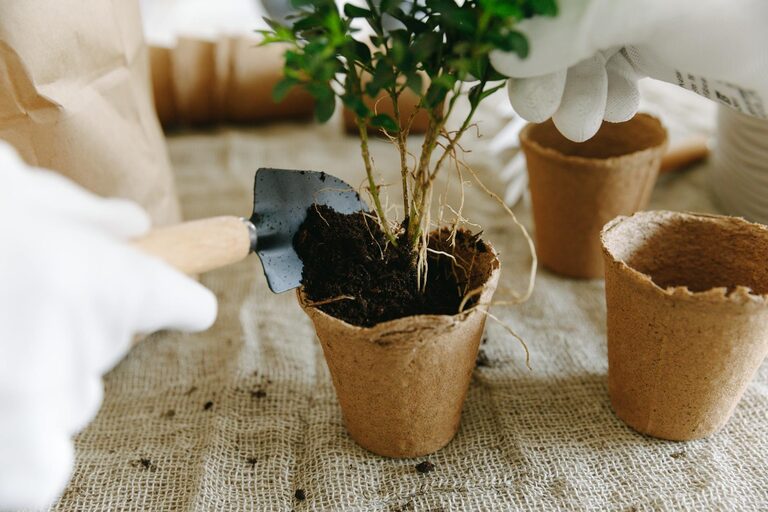
Creating a sustainable home garden that flourishes all year round is not only rewarding but also helps reduce your environmental impact. By cultivating your own plants, you can enjoy fresh produce, support local biodiversity, and minimise waste. Whether you have a sprawling backyard or a small balcony, these tips will guide you to build a thriving, eco-friendly garden throughout every season.
Why Choose a Sustainable Home Garden?
A sustainable garden is designed to be environmentally friendly, using resources wisely while supporting nature’s cycles. It focuses on:
– Reducing water consumption
– Enhancing soil health
– Encouraging wildlife
– Minimising waste and chemicals
– Growing produce in harmony with the seasons
This approach pays off with healthier plants, less effort, and a positive contribution to the planet.
Planning Your Garden for Year-Round Success
Before planting, it’s important to plan your garden layout and choose suitable plants.
Select Seasonal Plants
To guarantee a constant harvest or floral display, select plants that thrive in different seasons:
– Spring: peas, lettuce, radishes, and early flowers like crocus
– Summer: tomatoes, courgettes, beans, sunflowers
– Autumn: kale, Brussels sprouts, carrots
– Winter: winter cabbage, chard, and some herbs hardy to frost
Rotating crops also keeps the soil healthy and reduces pests.
Use Companion Planting
Certain plants grow better side by side. For example, planting marigolds near tomatoes can deter pests naturally.
Start Small and Expand
If you’re new to gardening, beginning with a small plot or a few containers helps you learn seasonal care and garden maintenance.
Soil and Water Management
Healthy soil and efficient watering are cornerstones of a sustainable garden.
Enrich Your Soil Naturally
Add organic matter such as compost, leaf mould, or well-rotted manure to improve soil fertility and structure. This encourages beneficial microbes and worms that support plant health.
Compost at Home
Composting kitchen scraps and garden waste turns potential rubbish into nutrient-rich soil. Avoid meat or dairy products to keep your compost balanced and pest-free.
Collect Rainwater
Use water butts to harvest rainwater from your roof. This reduces reliance on tap water and saves money. Use mulch to conserve soil moisture and reduce evaporation.
Caring for Your Garden Throughout the Year
Each season brings different tasks to maintain your garden’s sustainability.
Spring
– Prepare soil by adding compost
– Start sowing seeds indoors for warm-season plants
– Prune any damaged branches from trees and shrubs
Summer
– Water early in the morning or late evening to reduce water loss
– Mulch around plants to keep roots cool
– Harvest regularly to encourage continuous growth
Autumn
– Plant cover crops such as clover or rye to protect and enrich soil
– Clear away spent plants to reduce disease risk
– Gather leaves for mulch or compost
Winter
– Protect tender plants with cloches or fleece covers
– Plan next year’s garden based on this year’s successes and challenges
– Maintain tools and prepare seed trays indoors
Encourage Wildlife and Pollinators
A sustainable garden provides food and shelter for beneficial wildlife.
– Include native flowering plants to attract bees and butterflies
– Create habitats such as log piles or bird boxes
– Avoid pesticides to protect pollinators and natural predators
Reduce Waste and Reuse Materials
Sustainability also means minimising waste in your gardening practice.
– Repurpose old containers as planters
– Save seeds from your harvest to plant next season
– Repair and upcycle tools instead of buying new ones
Enjoy Your Sustainable Garden
Creating a sustainable garden is a journey that connects you with nature. Celebrating small successes and observing how your garden changes through the seasons make the effort worthwhile.
Whether you grow herbs on a windowsill or cultivate a backyard vegetable patch, these tips will help you enjoy a year-round sustainable garden full of life and growth. Happy gardening!